
Filter
Showing 41–80 of 215 results


Participants will gain a clear understanding of the regulatory framework governing pharmaceutical importers and distributors. They will learn how supply chain processes must align with regulatory requirements related to product verification, traceability, documentation, and storage conditions. The program will help professionals understand the roles and responsibilities of economic operators in maintaining product quality and compliance across the distribution network. By the end of the program, participants will be able to implement compliant supply chain practices that support regulatory readiness and product integrity.

Participants will gain the ability to understand the European regulatory framework governing medical device commercialization and evaluate how regulations influence market access strategy. They will learn how to assess device classification, conformity assessment routes, and CE marking requirements when planning EU entry. The program will also strengthen the ability to analyze notified body engagement, clinical evidence expectations, and post-market compliance obligations. By the end of the program, participants will be able to develop a structured market access roadmap and make informed go-to-market decisions for medical device products.

Participants will gain the capability to interpret EU MDR requirements, design regulatory pathways for CE marking, prepare compliant technical documentation, and manage post-market obligations for medical devices in the European market.

Participants will gain the ability to design risk-based audit programs, conduct internal and supplier audits, evaluate findings, and implement effective CAPA systems to strengthen quality compliance.

Participants will gain the ability to establish quality controls for clinical investigations, evaluate study documentation for compliance, and support inspection readiness under ISO 14155 requirements.

Participants will gain the ability to understand BS-VI emission regulations for three-wheelers, interpret emission testing results, and support certification and compliance management activities during vehicle development and approval.

Participants will gain the ability to understand BS-VI emission requirements for two-wheelers, evaluate emission testing results, and support regulatory certification and compliance management activities.
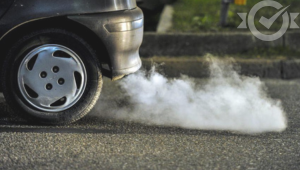
Emission Type Approval & BS-VI Compliance for Quality & Regulatory Compliance in Automotive
Participants will gain the ability to understand BS-VI emission regulations, support emission testing programs, evaluate compliance results, and contribute to vehicle certification and regulatory approval processes.

Participants will gain the ability to prepare for regulatory inspections, evaluate compliance gaps, manage audit interactions, and develop corrective and preventive actions following regulatory observations.

Participants will gain the ability to understand engine electronic architectures, diagnose EMS faults using professional diagnostic tools, and support compliance with emission and safety regulations.

Real Driving Emissions Compliance & Testing for Quality & Regulatory Compliance in Automotive
Participants will gain the ability to understand RDE regulatory requirements, design compliant testing strategies, interpret emissions measurement data, and support vehicle certification and regulatory compliance activities.


Participants will gain the ability to interpret scientific and clinical evidence, develop regulatory documentation across the drug development lifecycle, and translate validated clinical data into compliant product labelling and regulatory submissions.

Participants will gain the ability to perform strategic reviews of medical and regulatory documents, identify quality gaps, ensure consistency across complex documentation, and strengthen compliance with regulatory writing standards.
Strategic Pharma Costing & Pricing Excellence
Participants will gain the ability to analyze pharmaceutical cost structures, design strategic pricing models for different markets, and balance profitability with regulatory and market access requirements.

FDA Audit Preparedness: Pharma Operations
Participants will gain the ability to assess audit readiness, identify compliance gaps, manage inspection processes, conduct internal audits, and implement corrective and preventive actions to sustain regulatory compliance.

Global Pharma Landscape: Strategy
Participants will gain the ability to analyze global pharma trends, evaluate business and operating models, assess market opportunities, and develop strategies to drive growth and competitive advantage.

Participants will gain the ability to evaluate non-US pharmaceutical markets, understand regional regulatory pathways, design market entry strategies, and build partnerships that support sustainable international growth for Indian pharmaceutical companies.

Participants will gain the ability to manage cold chain infrastructure, operate key refrigeration and monitoring equipment, detect and prevent temperature excursions, and ensure operational reliability across refrigerated warehouses and transport systems.

Participants will gain the capability to interpret VDA 6.x requirements, prepare for process and system audits, evaluate manufacturing processes using VDA methodologies, and implement quality improvement actions that meet German OEM supplier compliance expectations.

ASPICE Essentials for Engineering in Automotive
Participants will gain the ability to understand ASPICE framework structure, apply software development process standards in automotive control systems, align engineering practices with ASPICE capability levels, and support readiness for ASPICE process assessments.

Participants will develop the ability to align supplier operations with OEM requirements and regulatory frameworks. They will learn how to manage supplier compliance, coordinate program timelines with OEM partners, and strengthen supply chain collaboration to support successful product launches and uninterrupted component supply.

Participants will develop the ability to design structured testing and validation plans aligned with crashworthiness, electromagnetic compatibility, and environmental compliance standards. They will learn how to interpret global testing regulations, manage certification workflows, analyze test results, and integrate testing requirements into product development to ensure regulatory approval and product safety.

Participants will gain the ability to use artificial intelligence tools to support literature analysis, draft scientific and regulatory documents, enhance clarity and consistency in medical writing, and implement responsible workflows that align with pharmaceutical compliance and documentation standards.

Participants will gain the ability to identify and classify non-conformities, conduct structured root cause analysis, design effective CAPA plans, and implement audit-ready documentation systems aligned with automotive quality standards and regulatory expectations.
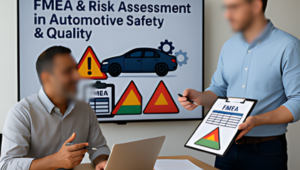
Participants will gain the capability to conduct Design FMEA and Process FMEA, evaluate failure risks using severity, occurrence, and detection metrics, prioritize corrective actions, and integrate risk assessment into automotive quality management and product development processes.

Participants will gain the capability to implement functional safety and cybersecurity processes across automotive product development, conduct hazard and risk analysis, integrate cybersecurity requirements into system design, and manage safety compliance across the vehicle lifecycle. They will also learn to coordinate safety and cybersecurity validation activities aligned with international automotive standards.

Participants will gain the capability to establish supplier quality management frameworks, perform structured supplier audits, analyze supplier performance metrics, and implement corrective and preventive actions with suppliers. They will also learn to drive continuous improvement initiatives across supplier ecosystems using data-driven monitoring systems and collaborative quality programs.

Participants will gain the capability to interpret automotive regulations, understand certification and homologation requirements, and integrate compliance into quality management systems. They will be able to map regulatory requirements to vehicle systems, prepare documentation for approval processes, and support cross-functional compliance across engineering, quality, and regulatory teams.

Participants will learn how to interpret and implement key ISO standards within automotive quality management systems. They will develop the ability to align processes with global compliance requirements, strengthen internal audit readiness, manage supplier quality standards, and integrate ISO frameworks into continuous improvement initiatives across manufacturing operations.

Leadership for Program Management in Aerospace

Participants will develop the ability to lead complex aerospace programs with clarity, resilience, and strategic discipline. They will learn to manage mission-critical teams, navigate uncertainty and regulatory pressures, communicate effectively across technical stakeholders, and build accountability-driven cultures that deliver safety, quality, and program milestones.

Participants will develop the capability to manage homologation processes, interpret regulatory certification frameworks across markets, coordinate testing and documentation requirements, and ensure vehicles achieve regulatory approval efficiently while minimizing launch delays and compliance risks.

Participants will develop the capability to implement structured supplier compliance frameworks, conduct regulatory and quality audits, manage compliance documentation such as PPAP and IMDS submissions, monitor supplier risk across multi-tier supply chains, and build governance mechanisms that ensure regulatory, environmental, and quality compliance across OEM and Tier-1 supplier ecosystems.

Participants will develop the capability to interpret global and Indian sustainability regulations, implement ISO-based environmental management systems, conduct lifecycle sustainability analysis, map operational emissions, and design practical compliance strategies aligned with modern green mobility requirements.

Participants will develop the ability to design structured prompts for financial analysis, regulatory interpretation, and strategic planning. They will learn how to use generative AI tools to synthesize complex financial information, generate analytical insights, and support leadership decision-making while ensuring responsible and compliant AI usage.


Participants will gain the capability to understand electricity generation principles, interpret solar and wind power system architectures, operate battery storage and power electronics systems, analyze system faults, and use SCADA-based monitoring to maintain efficient and reliable power plant operations.

Participants will gain the ability to interpret global automotive regulatory frameworks, manage homologation and certification processes, establish compliance monitoring systems, and coordinate regulatory requirements across engineering, manufacturing, and legal teams to ensure vehicles meet evolving safety, environmental, and digital compliance standards.


Participants will gain the capability to design vendor evaluation frameworks, develop supplier capabilities, negotiate sourcing agreements, and implement procurement strategies that ensure reliable supply, improved quality standards, and sustainable cost management.

Participants will gain the capability to identify automation opportunities across textile production processes, integrate Industry 4.0 technologies such as connected machinery, sensors, and data analytics, and optimize manufacturing operations for higher productivity, quality, and operational visibility.

Participants will gain the capability to apply Six Sigma tools to identify root causes of defects, optimize process performance, improve yield, and establish data-driven quality control systems that enhance productivity and customer satisfaction.

Participants will gain the capability to design traceability frameworks, implement supplier compliance programs, conduct ethical risk assessments, and align sourcing strategies with ESG and regulatory standards. They will be equipped to enhance supply chain transparency, reduce compliance risks, and build sustainable competitive advantage.