Filter
Showing 1–40 of 65 results

Participants will be able to develop validation master plans, apply risk-based validation approaches, execute process and equipment qualification, manage documentation, and ensure inspection readiness aligned with global regulatory standards.

Coaching for Pharma Sales & Marketing Managers: Leadership Development & Performance Management Training

Participants will gain the ability to apply executive coaching using the GROW model, improve performance management, strengthen leadership development, enhance field effectiveness, and drive results through structured coaching.


Participants will gain the ability to manage end-to-end hospital administrative processes using hospital billing software and EHR systems, ensuring accurate patient data management, efficient billing, seamless insurance processing, and compliance with healthcare standards to improve operational efficiency and reduce claim rejections.


Participants will develop the ability to understand the unique dynamics of pharmaceutical selling, manage territories effectively, and conduct impactful doctor interactions within limited consultation time. They will learn how to plan productive field calls, build professional relationships with healthcare professionals, support prescription generation, collaborate with chemists to ensure prescription fulfillment, and maintain professional conduct and compliance standards in pharmaceutical marketing.

Participants will develop the ability to lead and manage medical representative teams, analyze field reports and market intelligence, and drive territory-level business performance. They will learn how to coach team members through joint field work, support consultative selling, onboard new representatives effectively, manage vacant territories without business disruption, and use RCPA insights to guide strategy execution and improve market competitiveness.

Capital Investment Analysis: Pharma Strategy
Participants will develop the ability to evaluate pharmaceutical capital investments using financial modeling, clinical development insights, and regulatory risk assessment. They will learn how to assess project feasibility, estimate long-term value, and prioritize investment opportunities that support innovation, regulatory compliance, and sustainable business growth.

Participants will learn how pharmaceutical products are costed and priced across global markets while considering regulatory controls, reimbursement frameworks, and competitive dynamics. They will develop the ability to evaluate drug development costs, design value-based pricing models, and create international pricing strategies aligned with market access objectives and profitability goals.


Participants will gain a clear understanding of the stages involved in pharmaceutical drug discovery and development. They will learn how drug targets are identified, how potential drug candidates are screened and optimized, and how preclinical and clinical studies are designed to evaluate safety and efficacy. The program will also develop understanding of regulatory approval pathways, commercialization considerations, and emerging technologies that are transforming pharmaceutical research and development.

Participants will gain a structured understanding of the regulatory frameworks governing medical devices and in-vitro diagnostic devices in the European Union. They will learn how device classification influences regulatory pathways and how to prepare technical documentation aligned with MDR and IVDR requirements. The program will also build knowledge of conformity assessment procedures, clinical evaluation expectations, and post-market surveillance obligations. By the end of the course, participants will be able to support regulatory strategy, ensure documentation readiness, and maintain compliance for devices entering or operating within the EU market.

Participants will gain a comprehensive understanding of the regulatory framework governing medical devices in Canada. They will learn how device classification determines regulatory pathways and how to prepare submissions for Medical Device Licenses. The program will also build knowledge of quality management system requirements, post-market surveillance responsibilities, and regulatory documentation expectations. By the end of the course, participants will be able to support successful regulatory submissions and maintain compliance with Health Canada requirements.

Participants will gain a clear understanding of the regulatory framework governing pharmaceutical importers and distributors. They will learn how supply chain processes must align with regulatory requirements related to product verification, traceability, documentation, and storage conditions. The program will help professionals understand the roles and responsibilities of economic operators in maintaining product quality and compliance across the distribution network. By the end of the program, participants will be able to implement compliant supply chain practices that support regulatory readiness and product integrity.

Participants will gain the ability to understand the European regulatory framework governing medical device commercialization and evaluate how regulations influence market access strategy. They will learn how to assess device classification, conformity assessment routes, and CE marking requirements when planning EU entry. The program will also strengthen the ability to analyze notified body engagement, clinical evidence expectations, and post-market compliance obligations. By the end of the program, participants will be able to develop a structured market access roadmap and make informed go-to-market decisions for medical device products.

Participants will gain the capability to interpret EU MDR requirements, design regulatory pathways for CE marking, prepare compliant technical documentation, and manage post-market obligations for medical devices in the European market.

Participants will gain the ability to design risk-based audit programs, conduct internal and supplier audits, evaluate findings, and implement effective CAPA systems to strengthen quality compliance.

Participants will gain the ability to establish quality controls for clinical investigations, evaluate study documentation for compliance, and support inspection readiness under ISO 14155 requirements.

Participants will gain the ability to prepare for regulatory inspections, evaluate compliance gaps, manage audit interactions, and develop corrective and preventive actions following regulatory observations.


Participants will gain the ability to interpret scientific and clinical evidence, develop regulatory documentation across the drug development lifecycle, and translate validated clinical data into compliant product labelling and regulatory submissions.

Participants will gain the ability to perform strategic reviews of medical and regulatory documents, identify quality gaps, ensure consistency across complex documentation, and strengthen compliance with regulatory writing standards.
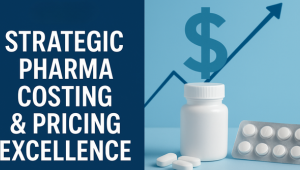
Strategic Pharma Costing & Pricing Excellence
Participants will gain the ability to analyze pharmaceutical cost structures, design strategic pricing models for different markets, and balance profitability with regulatory and market access requirements.

FDA Audit Preparedness: Pharma Operations
Participants will gain the ability to assess audit readiness, identify compliance gaps, manage inspection processes, conduct internal audits, and implement corrective and preventive actions to sustain regulatory compliance.
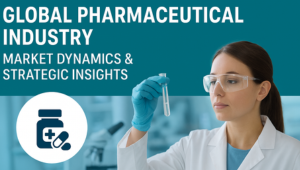
Global Pharma Landscape: Strategy
Participants will gain the ability to analyze global pharma trends, evaluate business and operating models, assess market opportunities, and develop strategies to drive growth and competitive advantage.

Participants will gain the ability to evaluate non-US pharmaceutical markets, understand regional regulatory pathways, design market entry strategies, and build partnerships that support sustainable international growth for Indian pharmaceutical companies.

Participants will gain the ability to use artificial intelligence tools to support literature analysis, draft scientific and regulatory documents, enhance clarity and consistency in medical writing, and implement responsible workflows that align with pharmaceutical compliance and documentation standards.


Participants will develop the capability to manage end-to-end vaccine tender processes under UIP, ensure regulatory and documentation compliance, optimize bid strategies, mitigate procurement risks, and maintain supply continuity aligned with public health obligations.


Participants will develop the capability to manage end-to-end public procurement processes in the pharmaceutical sector with confidence and compliance. They will understand tender lifecycle management, regulatory alignment, risk mitigation, ethical safeguards, and contract governance—enabling them to execute procurement activities with transparency, accountability, and strategic effectiveness.

participants will be able to interpret global regulatory guidelines, develop regulatory submission strategies, prepare compliant dossiers, manage health authority communications, and ensure inspection readiness across the product lifecycle.

AI Tools Usage for Business Leaders

Participants will be able to navigate the AI tool ecosystem, confidently use leading AI platforms, design integrated AI-driven workflows, evaluate return on investment and implementation feasibility, deploy AI solutions across teams with structured governance, apply security and compliance best practices, and measure tangible business impact in terms of productivity, quality, and cost efficiency.

Prompt Engineering for Business Leaders
Participants will be able to understand the fundamentals of AI and large language models, craft structured and high-impact prompts, apply advanced techniques such as chain-of-thought and persona-based prompting, integrate AI tools into business workflows for improved output quality, recognize AI limitations and apply human judgment appropriately, and implement ethical and secure AI practices within their organizations.


Participants will be able to develop annual and lifecycle-based publication plans, align publications with clinical milestones, apply authorship and transparency standards, ensure compliance with global publication ethics, manage cross-functional coordination, and measure scientific impact. They will strengthen the credibility and strategic value of medical communications within their organization.

Participants will be able to structure scientific documents effectively, interpret and present clinical data accurately, apply regulatory writing standards, ensure logical flow and clarity, maintain compliance with documentation guidelines, and manage document lifecycle processes. They will improve efficiency, accuracy, and professional credibility in scientific communication.

Participants will be able to develop compliant briefing books, create scientifically accurate slide decks, document discussions effectively, manage conflict-of-interest disclosures, prepare meeting minutes aligned with regulatory standards, and synthesize advisory insights into strategic recommendations. They will enhance the impact and governance integrity of Advisory Board engagements.

Participants will be able to conduct structured inspection readiness assessments, strengthen quality systems, manage regulatory interactions professionally, draft defensible observation responses, and implement corrective and preventive actions that withstand regulatory review.

PharmaConnect: Building Trust & Driving Sales
Participants will be able to develop trust-based engagement strategies with healthcare professionals, apply consultative selling techniques, leverage data-driven customer insights, align promotional activities with compliance standards, and execute targeted marketing initiatives to drive sustainable sales performance.

Participants will be able to manage end-to-end pharmacovigilance workflows efficiently, ensure high data quality standards, monitor compliance metrics and SLAs, optimize operational performance, and support audit and regulatory inspection readiness.

Competitive Intelligence for Pharma R&D
Participants will be able to build competitive intelligence frameworks, analyze competitor pipelines and patents, interpret regulatory and clinical trial trends, assess market entry risks, and integrate CI insights into product development and lifecycle strategy decisions.

Participants will be able to identify critical quality attributes (CQA), define critical process parameters (CPP), apply risk assessment and design of experiments (DoE), establish design space, and implement control strategies to ensure optimized and scalable pharmaceutical processes.

Participants will be able to apply ICH-based Quality Risk Management principles, conduct risk assessments using structured tools, integrate risk controls into quality systems, document risk decisions, and maintain a proactive risk-based compliance culture.

Participants will be able to align development strategy with IND, NDA, and ANDA requirements, understand data expectations across development stages, support regulatory documentation, and reduce development risks through early regulatory integration.

Participants will be able to develop qualification protocols, execute IQ, OQ, and PQ activities for laboratory equipment, apply risk-based approaches, ensure proper documentation, and maintain a validated state throughout the equipment lifecycle.

Participants will be able to implement the three-stage process validation lifecycle, define critical process parameters, design validation protocols, analyze process data statistically, and maintain continued process verification aligned with regulatory expectations.
- 1
- 2