
Filter
Showing 1–40 of 52 results


Participants will develop the ability to analyze combustion behavior in internal combustion engines using engineering data and diagnostic techniques. They will learn how to interpret combustion parameters, optimize air–fuel mixing, and apply advanced practices that improve engine efficiency, emissions performance, and overall powertrain development outcomes.

Participants will understand how sustainable materials, green manufacturing processes, and circular economy strategies are transforming tyre production. They will learn how tyre manufacturers reduce carbon emissions, optimize resource utilization, and develop environmentally responsible tyres while maintaining safety, durability, and performance standards.

Participants will understand how Industry 4.0 technologies such as industrial IoT, machine data analytics, connected production systems, and digital twins improve tyre manufacturing operations. They will learn how to implement smart factory systems to enhance process visibility, predictive maintenance, quality control, and production efficiency in modern tyre plants.

Participants will develop a deep understanding of rubber material science and compounding techniques used in high-performance tyre manufacturing. They will learn how different polymers, fillers, and additives influence tyre performance characteristics such as wear resistance, traction, and rolling resistance. The program will also build practical knowledge on compound formulation, processing conditions, and quality control techniques used to produce consistent high-performance tyre materials. By the end of the course, participants will be able to evaluate and optimize rubber compounds to meet demanding automotive performance requirements.
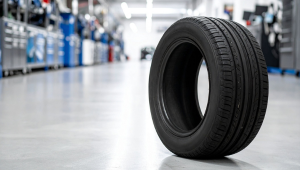
Participants will develop a clear understanding of modern tyre manufacturing technologies, advanced materials, and automation systems used in contemporary production facilities. They will learn how tyre design requirements translate into manufacturing processes, how digital manufacturing tools improve production quality, and how emerging technologies such as smart manufacturing and sustainable materials are transforming tyre production. By the end of the program, participants will be able to evaluate and implement modern manufacturing technologies to improve efficiency, quality, and operational performance.
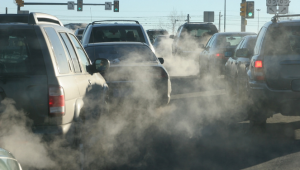
Participants will gain the ability to understand BS-VI emission regulations for three-wheelers, interpret emission testing results, and support certification and compliance management activities during vehicle development and approval.

Participants will gain the ability to understand BS-VI emission requirements for two-wheelers, evaluate emission testing results, and support regulatory certification and compliance management activities.
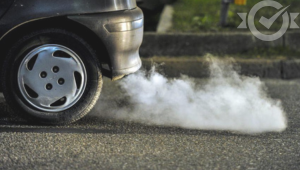
Emission Type Approval & BS-VI Compliance for Quality & Regulatory Compliance in Automotive
Participants will gain the ability to understand BS-VI emission regulations, support emission testing programs, evaluate compliance results, and contribute to vehicle certification and regulatory approval processes.

Participants will gain the ability to understand engine electronic architectures, diagnose EMS faults using professional diagnostic tools, and support compliance with emission and safety regulations.
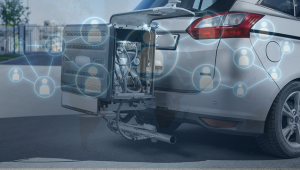
Real Driving Emissions Compliance & Testing for Quality & Regulatory Compliance in Automotive
Participants will gain the ability to understand RDE regulatory requirements, design compliant testing strategies, interpret emissions measurement data, and support vehicle certification and regulatory compliance activities.

Participants will gain the capability to interpret VDA 6.x requirements, prepare for process and system audits, evaluate manufacturing processes using VDA methodologies, and implement quality improvement actions that meet German OEM supplier compliance expectations.

ASPICE Essentials for Engineering in Automotive
Participants will gain the ability to understand ASPICE framework structure, apply software development process standards in automotive control systems, align engineering practices with ASPICE capability levels, and support readiness for ASPICE process assessments.

Participants will develop the ability to align supplier operations with OEM requirements and regulatory frameworks. They will learn how to manage supplier compliance, coordinate program timelines with OEM partners, and strengthen supply chain collaboration to support successful product launches and uninterrupted component supply.

Participants will develop the ability to design structured testing and validation plans aligned with crashworthiness, electromagnetic compatibility, and environmental compliance standards. They will learn how to interpret global testing regulations, manage certification workflows, analyze test results, and integrate testing requirements into product development to ensure regulatory approval and product safety.

Participants will gain the ability to identify and classify non-conformities, conduct structured root cause analysis, design effective CAPA plans, and implement audit-ready documentation systems aligned with automotive quality standards and regulatory expectations.
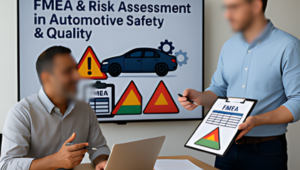
Participants will gain the capability to conduct Design FMEA and Process FMEA, evaluate failure risks using severity, occurrence, and detection metrics, prioritize corrective actions, and integrate risk assessment into automotive quality management and product development processes.

Participants will gain the capability to implement functional safety and cybersecurity processes across automotive product development, conduct hazard and risk analysis, integrate cybersecurity requirements into system design, and manage safety compliance across the vehicle lifecycle. They will also learn to coordinate safety and cybersecurity validation activities aligned with international automotive standards.

Participants will gain the capability to establish supplier quality management frameworks, perform structured supplier audits, analyze supplier performance metrics, and implement corrective and preventive actions with suppliers. They will also learn to drive continuous improvement initiatives across supplier ecosystems using data-driven monitoring systems and collaborative quality programs.

Participants will gain the capability to interpret automotive regulations, understand certification and homologation requirements, and integrate compliance into quality management systems. They will be able to map regulatory requirements to vehicle systems, prepare documentation for approval processes, and support cross-functional compliance across engineering, quality, and regulatory teams.

Participants will learn how to interpret and implement key ISO standards within automotive quality management systems. They will develop the ability to align processes with global compliance requirements, strengthen internal audit readiness, manage supplier quality standards, and integrate ISO frameworks into continuous improvement initiatives across manufacturing operations.

Leadership for Program Management in Aerospace

Participants will develop the ability to lead complex aerospace programs with clarity, resilience, and strategic discipline. They will learn to manage mission-critical teams, navigate uncertainty and regulatory pressures, communicate effectively across technical stakeholders, and build accountability-driven cultures that deliver safety, quality, and program milestones.

Participants will develop the capability to manage homologation processes, interpret regulatory certification frameworks across markets, coordinate testing and documentation requirements, and ensure vehicles achieve regulatory approval efficiently while minimizing launch delays and compliance risks.
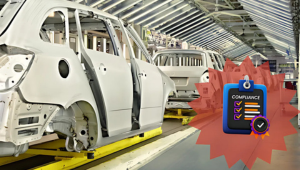
Participants will develop the capability to implement structured supplier compliance frameworks, conduct regulatory and quality audits, manage compliance documentation such as PPAP and IMDS submissions, monitor supplier risk across multi-tier supply chains, and build governance mechanisms that ensure regulatory, environmental, and quality compliance across OEM and Tier-1 supplier ecosystems.

Participants will develop the capability to interpret global and Indian sustainability regulations, implement ISO-based environmental management systems, conduct lifecycle sustainability analysis, map operational emissions, and design practical compliance strategies aligned with modern green mobility requirements.
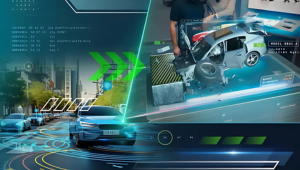
Participants will gain the ability to interpret global automotive regulatory frameworks, manage homologation and certification processes, establish compliance monitoring systems, and coordinate regulatory requirements across engineering, manufacturing, and legal teams to ensure vehicles meet evolving safety, environmental, and digital compliance standards.

Participants will gain the ability to design quality assurance frameworks for advanced driver assistance systems, apply risk-based validation methods, integrate hardware and software testing, and ensure compliance with functional safety requirements.

Participants will gain the ability to design zero defect manufacturing strategies, apply digital quality tools, use real-time analytics for defect prevention, and implement quality frameworks to improve production reliability and reduce costs.

Participants will be able to evaluate mass drivers at vehicle and subsystem levels, apply material substitution strategies, perform structural optimization assessments, and support cross-functional lightweighting decisions aligned with performance and regulatory requirements.
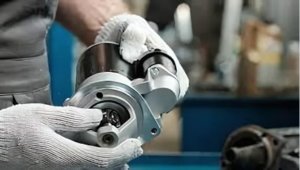
Data Analytics for Engineering in Automotive
Participants will be able to analyze multi-source vehicle data, apply reliability and predictive analytics models, interpret telematics-driven performance signals, reduce warranty risk, and support data-driven engineering decisions across the vehicle life cycle.

Participants will be able to interpret global OBD and emission regulations, evaluate compliance risks, align internal processes with regulatory requirements, review emission monitoring data, and support structured regulatory submissions and audit responses.

Participants will be able to explain ADAS system architecture, compare sensor technologies, support sensor fusion integration, interpret validation data, and contribute to structured testing and compliance activities aligned with automotive safety standards.

Participants will be able to explain electric powertrain architecture, design key subsystems including battery, motor, and inverter, apply performance calculations, develop validation plans, interpret test data, and ensure compliance with automotive performance and safety standards.
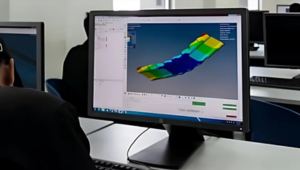
Participants will be able to develop accurate finite element models of railway components, apply appropriate boundary conditions and load cases, conduct static, dynamic, and fatigue analysis, and interpret simulation results to support design validation and certification. They will strengthen their ability to reduce physical test iterations and improve structural reliability.

Participants will be able to implement structured unit testing strategies using LDRA, achieve required structural coverage levels, enforce coding standards compliance, generate audit-ready reports, and integrate unit testing into continuous integration pipelines. They will strengthen their ability to reduce defect leakage and improve software reliability in safety-critical automotive systems.

Participants will be able to differentiate AUTOSAR Classic, AUTOSAR Adaptive, and non-AUTOSAR embedded frameworks, design modular ECU architectures, manage software configuration and integration, and make informed framework selection decisions aligned to vehicle program requirements. They will strengthen their capability to improve software scalability, reusability, and long-term platform strategy.
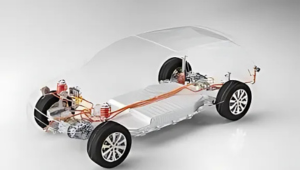
Participants will be able to develop and implement advanced motor control algorithms, optimize torque and efficiency across dynamic load conditions, validate systems using HIL/SIL frameworks, and troubleshoot real-world deployment issues in electric powertrain applications. They will strengthen their capability to translate system requirements into stable and scalable production-ready control architectures.

Hardware-in-the-Loop Testing for Automotive R&D
Participants will be able to plan and implement effective HIL testing strategies, configure test environments, simulate real-world operating and fault conditions, and analyze results to support design decisions. They will strengthen their ability to detect control, integration, and safety issues early in development, reducing downstream validation and launch risks.

Participants will be able to apply manufacturability principles during early design stages, assess design feasibility across common automotive manufacturing processes, reduce design-induced quality risks, and improve cost, yield, and production readiness without relying on late corrective actions.

Participants will develop the ability to build an integrated approach to product reliability and warranty management by analyzing field failures, applying reliability engineering tools, identifying root causes, and implementing corrective actions that reduce warranty costs and improve long-term product performance.

Participants will be able to assess measurement system capability for both traditional and digital measurement technologies, perform variable and attribute analysis, interpret results with confidence, and apply corrective actions to support reliable quality decisions across automotive production and supply chains.
- 1
- 2