
Filter
22 items


Participants will gain the capability to understand electricity generation principles, interpret solar and wind power system architectures, operate battery storage and power electronics systems, analyze system faults, and use SCADA-based monitoring to maintain efficient and reliable power plant operations.
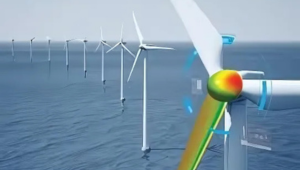

Participants will be able to evaluate strategic growth opportunities, analyze investment decisions using value-based metrics, design competitive commercial models, and align operational execution with long-term shareholder value objectives.


Participants will be able to interpret environmental datasets, apply Artificial Intelligence forecasting techniques, improve short-term and long-term wind energy predictions, and integrate predictive insights into operational and grid coordination strategies.

Participants will be able to analyze wind farm performance challenges, interpret turbine interaction data, apply quantum-inspired optimization models for layout and efficiency improvement, and implement simulation-driven operational strategies to enhance energy production and reduce downtime.
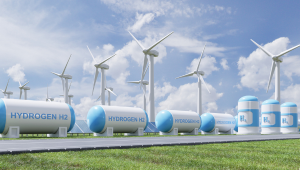
Acoustic Innovation for Energy Operation
Participants will understand turbine aerodynamics, acoustic principles, and their impact on operational efficiency. They will be able to identify performance gaps, apply acoustic optimization techniques, analyze operational data, and implement strategies to improve turbine efficiency and output.
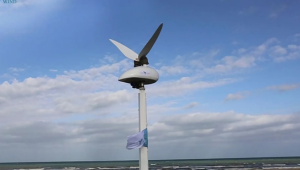
Participants will be able to analyze atmospheric electric field behavior, evaluate energy capture mechanisms, design conditioning and storage interfaces, assess grid integration constraints, and develop techno-economic feasibility models for atmospheric electricity-based storage systems.
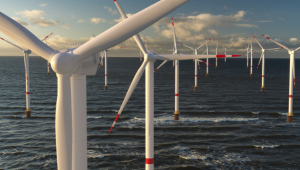
SCADA Optimization: Energy Engineering
Participants will be able to design and configure SCADA architectures, analyze turbine and farm-level performance data, implement advanced alarm and fault management strategies, integrate predictive analytics, and develop optimization frameworks that increase energy yield and operational reliability.

Participants will be able to assess degradation risks, select appropriate nano-coating technologies, evaluate performance testing data, design surface protection strategies, and implement lifecycle optimization plans that improve turbine longevity and reduce maintenance expenditure.
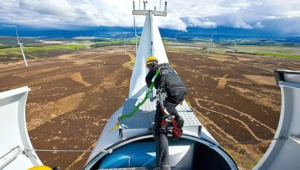
Participants will understand electrostatic charge generation principles, analyze particulate adhesion mechanisms, evaluate electrostatic precipitation systems for blade applications, design contamination control strategies, and implement preventive maintenance frameworks that improve aerodynamic performance and turbine reliability.

Participants will be able to analyze wake behavior using engineering models, apply wake steering techniques, design optimized turbine layouts, evaluate secondary energy capture methods, and implement performance improvement strategies that enhance overall wind farm productivity and reduce operational losses.

Participants will be able to interpret acoustic emission data, differentiate normal and abnormal sound signatures, identify early-stage mechanical faults, integrate acoustic diagnostics with vibration and SCADA data, implement predictive maintenance frameworks, and reduce downtime through proactive fault detection.

Participants will be able to interpret hydraulic circuit diagrams, analyze pressure and flow deviations, conduct structured root cause analysis, identify contamination sources, assess component wear patterns, and implement reliability-centered maintenance strategies. They will strengthen operational decision-making in breakdown response, preventive planning, and asset life optimization.

Develop the ability to analyze solar PV module and cell performance, interpret production and testing data, optimize design parameters, and make informed decisions to enhance energy yield and reliability.
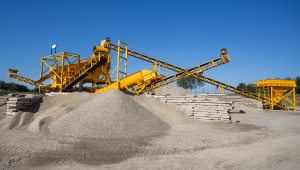

Participants will gain the ability to design and optimize cement raw mixes by evaluating chemical moduli and managing raw material variability, enabling them to improve clinker quality, stabilize kiln operations, reduce production costs, and contribute to sustainable cement manufacturing.
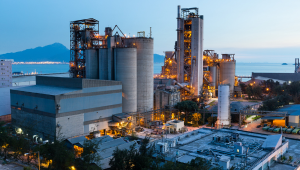

Participants will be able to systematically assess operational risks, apply process safety and asset integrity frameworks, integrate digital risk indicators, and make informed mitigation decisions that improve safety performance, regulatory compliance, and operational reliability across oil and gas operations.

Manufacturing Assurance for Chemical Operations
Build the capability to implement manufacturing assurance practices that strengthen process safety, ensure operational reliability, maintain quality compliance, and sustain stable plant performance.

Participants will gain the ability to implement operational assurance practices, strengthen process safety, ensure equipment reliability, maintain regulatory compliance, and sustain stable refinery performance.

Strategic B2B Sales for Chemical Industry
Participants will gain the capability to plan and execute strategic B2B sales, manage technically driven buying processes, and grow key accounts in the chemical industry.

Participants will gain the ability to analyze the climate technology landscape, evaluate emerging energy solutions, assess policy and market drivers, and make informed strategic and investment decisions.

Develop the ability to analyze solar PV module and cell performance, interpret production and testing data, optimize design parameters, and make informed decisions to enhance energy yield and reliability.

Participants will gain the ability to design, plan, and execute blasting operations, optimize fragmentation, enhance safety, and reduce operational costs in mining.

Participants will gain the capability to plan, assess, and execute controlled explosive and demolition activities safely, minimize operational and environmental risk, and ensure compliance during plant modification or decommissioning activities.