
Filter
18 items


Participants will understand how sustainable materials, green manufacturing processes, and circular economy strategies are transforming tyre production. They will learn how tyre manufacturers reduce carbon emissions, optimize resource utilization, and develop environmentally responsible tyres while maintaining safety, durability, and performance standards.

Participants will understand how Industry 4.0 technologies such as industrial IoT, machine data analytics, connected production systems, and digital twins improve tyre manufacturing operations. They will learn how to implement smart factory systems to enhance process visibility, predictive maintenance, quality control, and production efficiency in modern tyre plants.

Participants will develop a deep understanding of rubber material science and compounding techniques used in high-performance tyre manufacturing. They will learn how different polymers, fillers, and additives influence tyre performance characteristics such as wear resistance, traction, and rolling resistance. The program will also build practical knowledge on compound formulation, processing conditions, and quality control techniques used to produce consistent high-performance tyre materials. By the end of the course, participants will be able to evaluate and optimize rubber compounds to meet demanding automotive performance requirements.
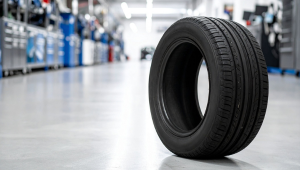
Participants will develop a clear understanding of modern tyre manufacturing technologies, advanced materials, and automation systems used in contemporary production facilities. They will learn how tyre design requirements translate into manufacturing processes, how digital manufacturing tools improve production quality, and how emerging technologies such as smart manufacturing and sustainable materials are transforming tyre production. By the end of the program, participants will be able to evaluate and implement modern manufacturing technologies to improve efficiency, quality, and operational performance.

Participants will gain the ability to identify and classify non-conformities, conduct structured root cause analysis, design effective CAPA plans, and implement audit-ready documentation systems aligned with automotive quality standards and regulatory expectations.

Participants will gain the capability to conduct Design FMEA and Process FMEA, evaluate failure risks using severity, occurrence, and detection metrics, prioritize corrective actions, and integrate risk assessment into automotive quality management and product development processes.

Participants will gain the capability to establish supplier quality management frameworks, perform structured supplier audits, analyze supplier performance metrics, and implement corrective and preventive actions with suppliers. They will also learn to drive continuous improvement initiatives across supplier ecosystems using data-driven monitoring systems and collaborative quality programs.

Participants will gain the capability to interpret automotive regulations, understand certification and homologation requirements, and integrate compliance into quality management systems. They will be able to map regulatory requirements to vehicle systems, prepare documentation for approval processes, and support cross-functional compliance across engineering, quality, and regulatory teams.

Participants will learn how to interpret and implement key ISO standards within automotive quality management systems. They will develop the ability to align processes with global compliance requirements, strengthen internal audit readiness, manage supplier quality standards, and integrate ISO frameworks into continuous improvement initiatives across manufacturing operations.
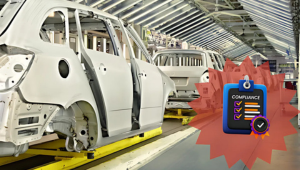
Participants will develop the capability to implement structured supplier compliance frameworks, conduct regulatory and quality audits, manage compliance documentation such as PPAP and IMDS submissions, monitor supplier risk across multi-tier supply chains, and build governance mechanisms that ensure regulatory, environmental, and quality compliance across OEM and Tier-1 supplier ecosystems.

Participants will gain the ability to design quality assurance frameworks for advanced driver assistance systems, apply risk-based validation methods, integrate hardware and software testing, and ensure compliance with functional safety requirements.

Participants will gain the ability to design zero defect manufacturing strategies, apply digital quality tools, use real-time analytics for defect prevention, and implement quality frameworks to improve production reliability and reduce costs.

Participants will be able to apply manufacturability principles during early design stages, assess design feasibility across common automotive manufacturing processes, reduce design-induced quality risks, and improve cost, yield, and production readiness without relying on late corrective actions.

Participants will develop the ability to build an integrated approach to product reliability and warranty management by analyzing field failures, applying reliability engineering tools, identifying root causes, and implementing corrective actions that reduce warranty costs and improve long-term product performance.

Participants will be able to assess measurement system capability for both traditional and digital measurement technologies, perform variable and attribute analysis, interpret results with confidence, and apply corrective actions to support reliable quality decisions across automotive production and supply chains.
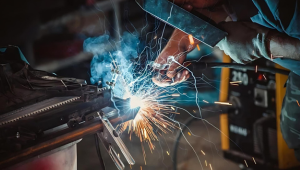
Participants will develop the ability to interpret, implement, and audit CQI standards for heat treatment, plating, and welding processes to strengthen process control, ensure compliance, and improve product quality.

Participants will develop the ability to apply design for assembly and design for manufacturing principles to reduce part complexity, improve production efficiency, enhance product quality, and accelerate time to market.

Develop the ability to apply design thinking methods to interpret requirements, improve manufacturability, reduce defects, and implement practical process and product improvements in automotive part manufacturing.