
Filter
14 items


Participants will gain the ability to apply risk assessment frameworks in food manufacturing, identify and evaluate hazards, implement preventive and corrective controls, and design risk management systems aligned with food safety standards and regulatory requirements.

Participants will gain a clear understanding of international trade regulations and customs procedures relevant to FMCG products. They will learn how to manage import and export documentation, classify goods under tariff systems, and ensure regulatory compliance across borders. The program will also build capabilities in identifying compliance risks, coordinating with customs authorities and logistics partners, and implementing best practices that improve efficiency in cross-border supply chain operations.

Participants will develop a clear understanding of global regulatory frameworks governing food additives, preservatives, and novel foods. They will learn how regulatory authorities evaluate safety, establish permissible usage limits, and approve new food ingredients. The program will build capabilities in interpreting regulatory standards, managing ingredient compliance documentation, and navigating approval pathways for novel foods. By the end of the course, participants will be able to support regulatory submissions, ensure labeling compliance, and manage risks associated with new food ingredient innovation.

Participants will gain a clear understanding of different forms of food fraud and adulteration and their impact on food safety, brand reputation, and regulatory compliance. They will learn how to conduct vulnerability assessments across supply chains, implement authenticity testing methods, and establish preventive control systems. The program will also build capabilities in supplier risk management, fraud monitoring, and compliance with global food safety standards that address authenticity risks.

Participants will gain a strong understanding of global regulatory frameworks governing food packaging safety and compliance. They will learn how to evaluate packaging materials for food-contact suitability, assess chemical migration risks, and interpret regulatory limits established by international authorities. The program will also build expertise in packaging compliance documentation, safety testing requirements, and regulatory approval processes. By the end of the course, participants will be able to ensure that food packaging systems meet safety standards while supporting global market access for FMCG products.

Participants will gain the ability to understand global food safety frameworks, implement compliant food safety systems, prepare for certification audits, and manage food safety across supply chains aligned with international standards.

Participants will gain a comprehensive understanding of HACCP principles and their application in pharmaceutical production environments. They will learn how to conduct hazard analysis, identify critical control points, and establish monitoring and corrective action mechanisms. The program will also build expertise in integrating preventive controls into quality management systems, managing documentation, and preparing for regulatory audits. By the end of the course, participants will be able to design risk-based control systems that enhance product safety, regulatory compliance, and operational reliability.

Good Manufacturing Practices (GMP) for Food & Beverage: Compliance, Quality & Operational Excellence
Participants will gain a clear understanding of GMP principles and their role in ensuring safe food manufacturing operations. They will learn how to design hygienic production environments, implement effective sanitation and contamination control measures, and establish quality monitoring systems across manufacturing processes. The program will also build capabilities in managing documentation, regulatory inspections, and continuous improvement initiatives. By the end of the course, participants will be able to strengthen GMP compliance while improving operational reliability and product quality.
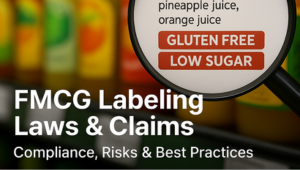
Participants will gain a clear understanding of the regulatory frameworks governing labeling and product claims in the FMCG industry. They will learn how to structure compliant labels, evaluate permissible marketing claims, and ensure accurate consumer information disclosure. The program will also build expertise in identifying regulatory risks associated with labeling errors, substantiating claims with evidence, and implementing internal review processes. By the end of the course, participants will be able to support compliant labeling strategies that align regulatory requirements with marketing objectives.
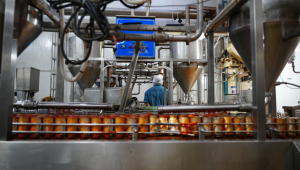
Participants will be able to assess automation readiness, improve Overall Equipment Effectiveness, design smart monitoring systems, reduce downtime through predictive maintenance, and integrate digital manufacturing dashboards into operational decision-making. They will strengthen structured problem-solving in throughput optimization, quality assurance, and cost reduction.

Participants will be able to segment consumers using behavioral and transactional data, interpret purchase frequency and basket composition trends, evaluate promotion effectiveness, forecast demand shifts, and design data-driven go-to-market strategies. They will strengthen decision-making in pricing, assortment planning, channel prioritization, and campaign optimization.

Participants will be able to evaluate packaging life cycles, select sustainable material alternatives, structure extended producer responsibility frameworks, measure waste diversion performance, and integrate circular economy principles into packaging strategy. They will strengthen decision-making in supplier selection, regulatory compliance, cost optimization, and environmental performance reporting.

Build the capability to manage key accounts strategically, strengthen customer relationships, align sales and marketing efforts, and drive profitable growth through structured account planning and execution.

Train the Trainer: FMCG Learning and Development
Participants will gain the ability to design, deliver, and evaluate structured training programs that drive behavior change, improve role capability, and support sustained performance improvement.